Churn is never really a surprise. Look back after an account leaves and the signals were there for weeks — usage sliding, tickets stacking up, an invoice that bounced, a seat count quietly ticking down. The problem was never that the signals didn't exist. It's that they lived in three different systems, nobody joined them per account, and by the time a renewal call exposed the truth the account was already halfway gone.
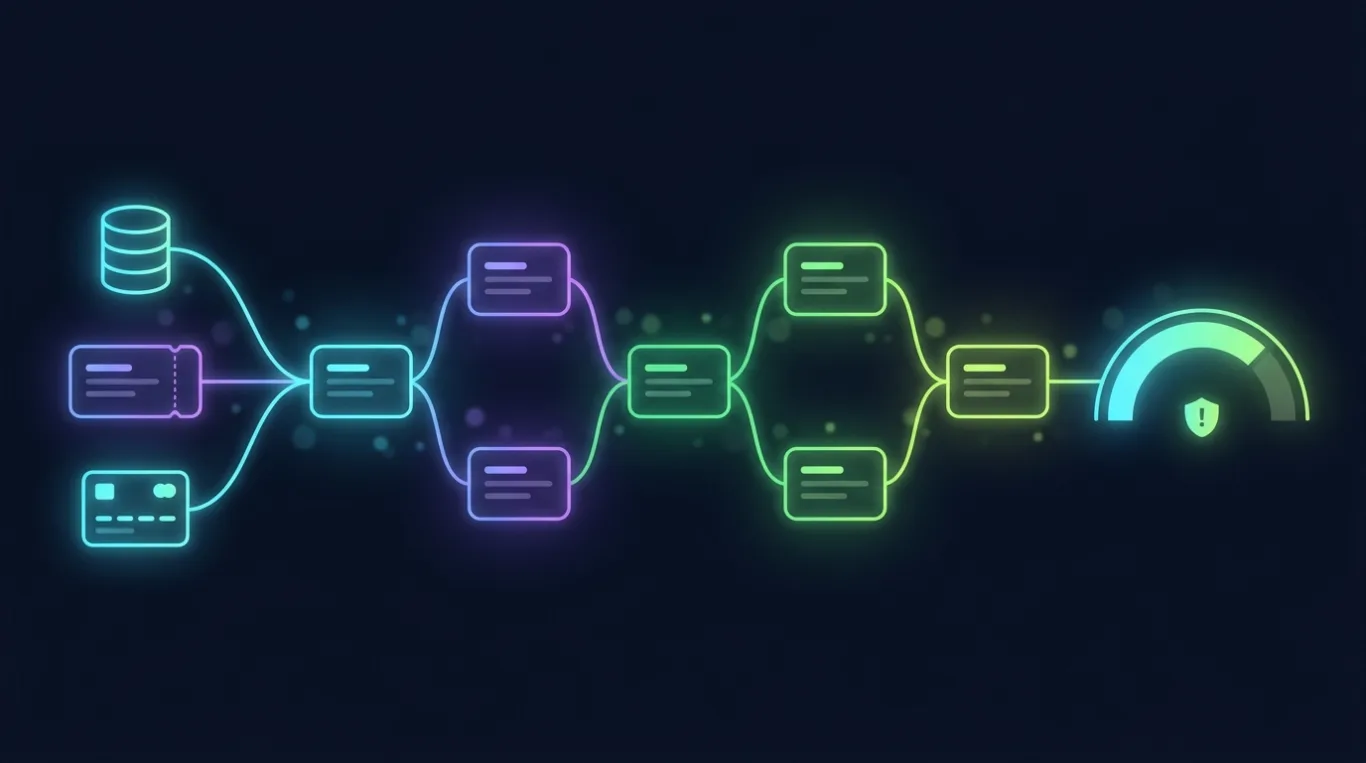
This agent runs before your team's day starts. A schedule node fires at 06:00, and three sources light up in parallel: a PostgreSQL query pulls each account's trailing-28-day product usage, a Zendesk node reads ticket health, and a Stripe node reads subscription and invoice state. A transform node fans them all in, joining on customer id into one clean record per account — missing signals coalesced to safe defaults, so an account with no tickets scores as calm, not as a dropped row.
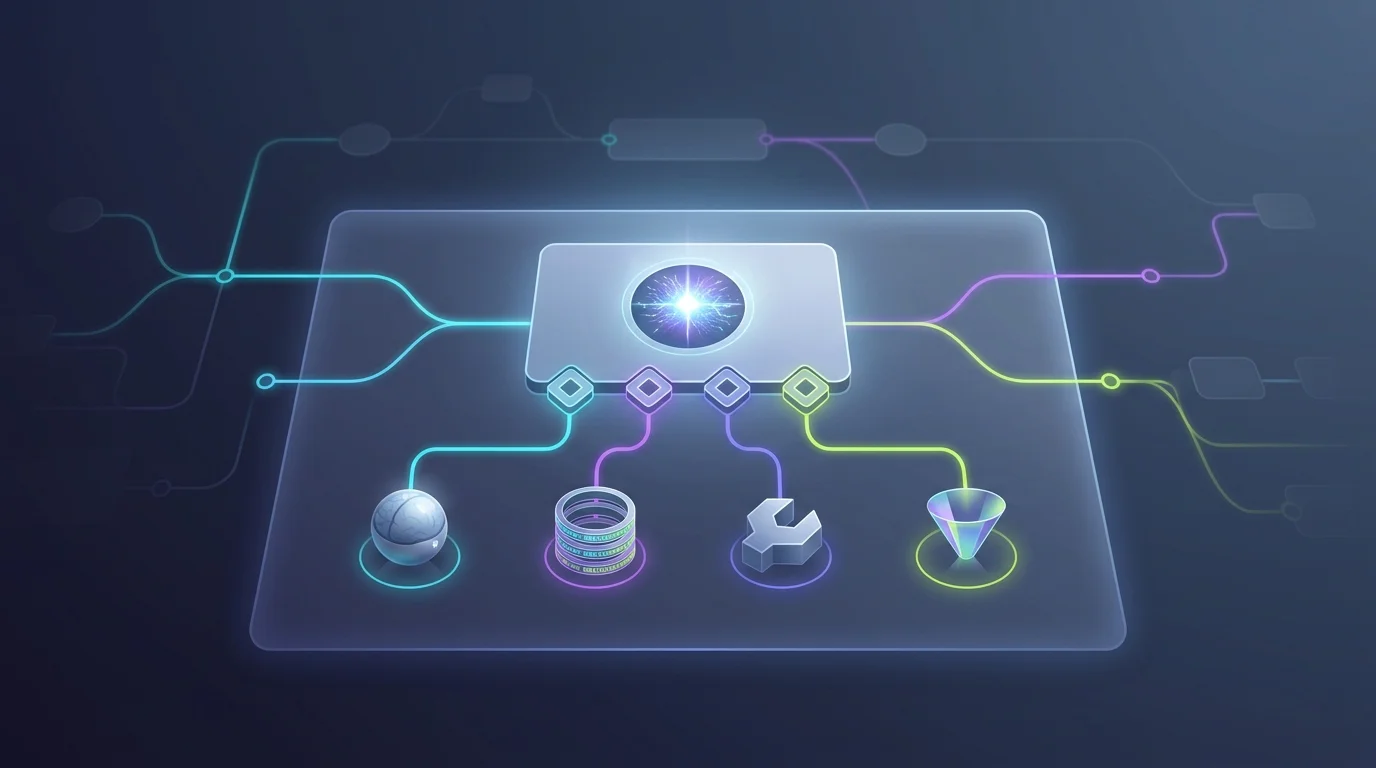
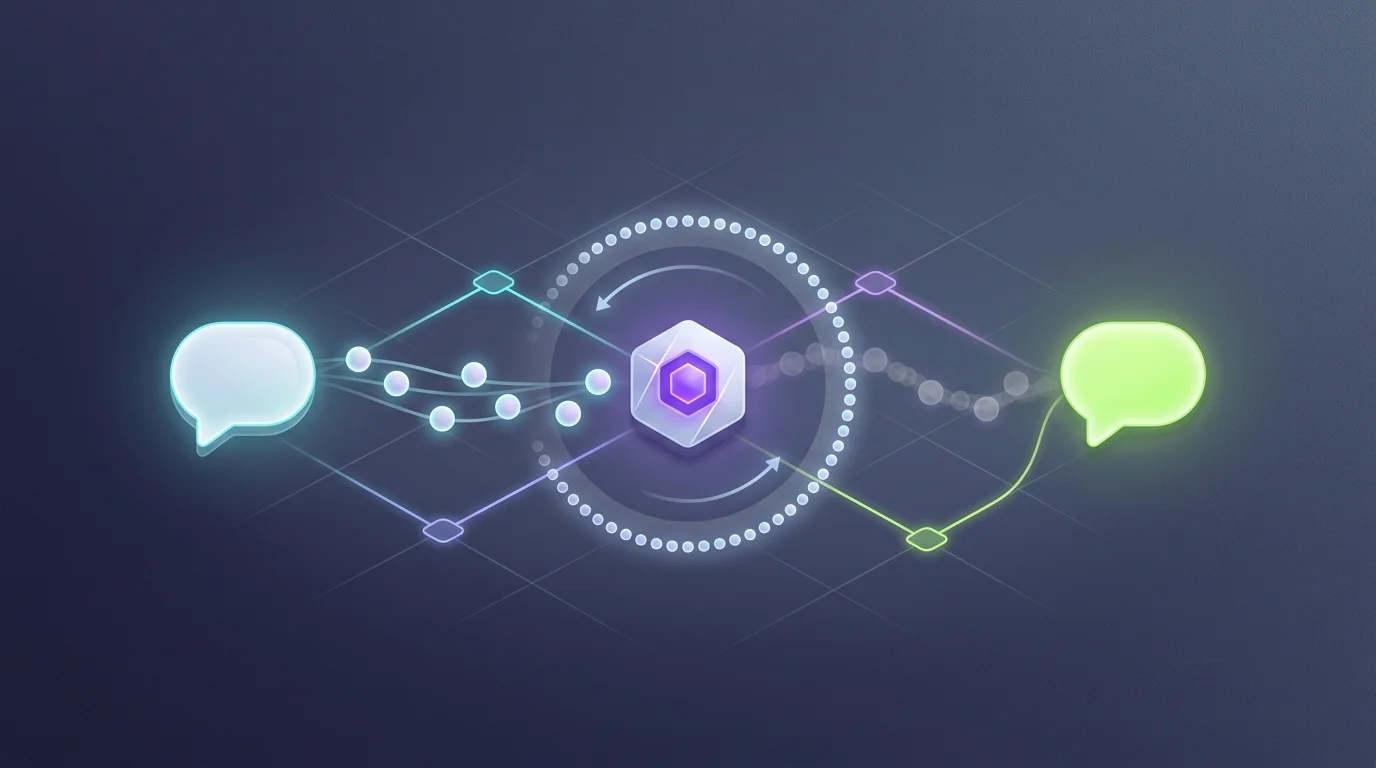
Then the scoring happens in two deliberately separate steps. A code tool applies your team's tuned weights and emits a 0–100 risk score, a band, and the ranked factors driving it — deterministic, reproducible, defensible. Only then does an AI agent, powered by an Anthropic chat model, turn that math into words: two or three sentences of plain-language reasoning and one concrete next action. "Renewal is 21 days out, usage is down 40%, and Tuesday's invoice failed — reconfirm the champion and clear the billing issue before the renewal call." The number is never invented by the model; the model only explains the number.
A filter node is your noise valve. Everything below the alert threshold drops away, so what survives is the handful of accounts that genuinely warrant a human this week — not a daily wall of green. Tune the band without touching the graph, and the agent stays trusted instead of muted.
What's left flows to where it matters. A HubSpot node writes the score and reason back onto each company record, so the risk lives in the CRM your CSMs already open and accumulates history day over day. Then a Slack node routes each at-risk account to its owning CSM — score, reason, recommended action, and a deep link — so the save lands on the right person's screen with time still on the clock.
And because it's a FluidGrids workflow, none of it is a black box. Every morning's run is versioned and observable node by node, so when someone asks "why did account 4187 score 82?" you open the run and read the exact signals that got it there — not a dashboard nobody checks, but an early-warning system your team can actually act on.
Ready to make this your story?